Introducing the Linn Basik
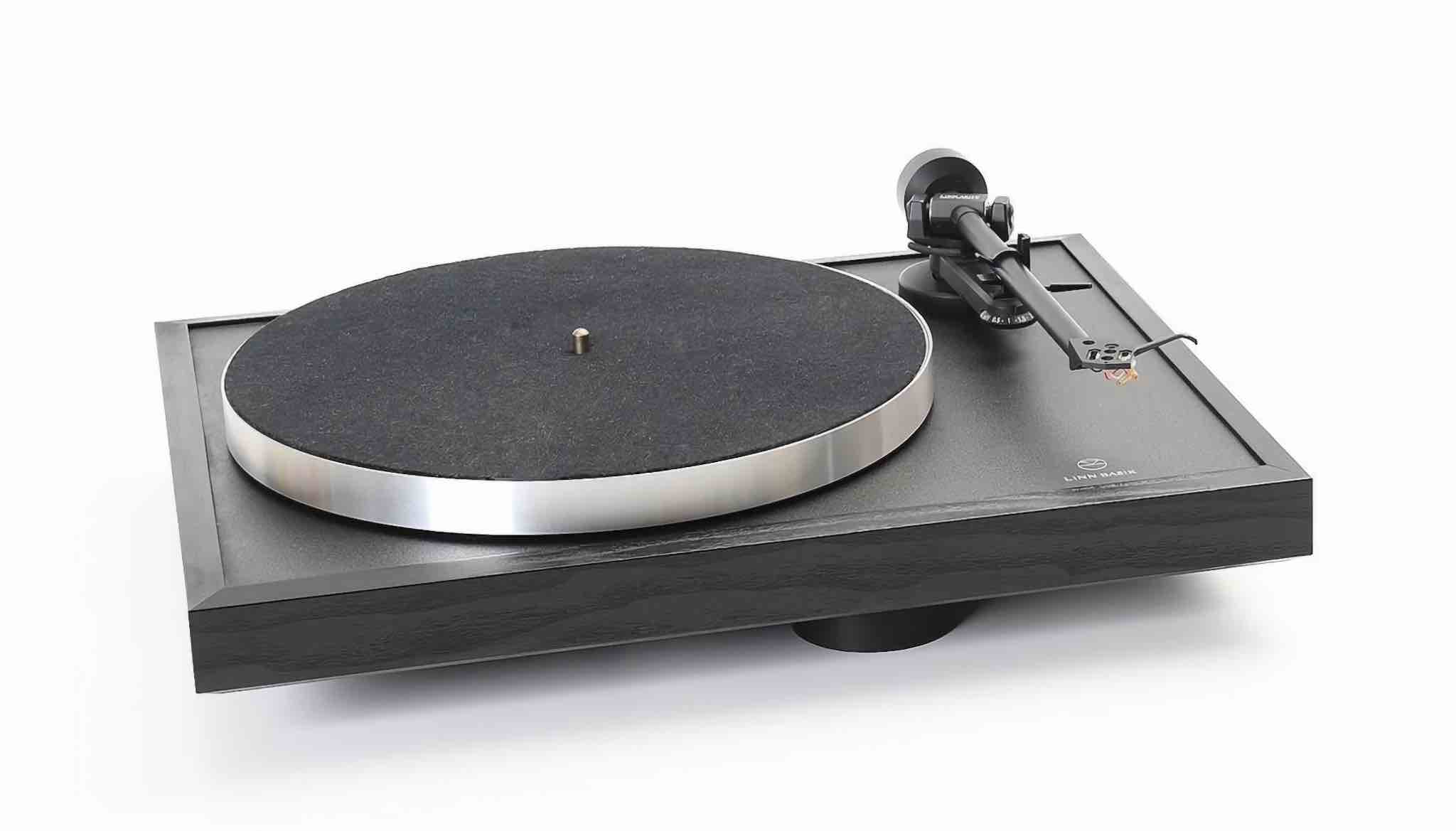
Generic photo. Photos of the actual unit will follow once it arrives.
Until now this website has dealt only with the Linn Sondek LP12. The Basik was Linn’s entry-level turntable, introduced in the early 1980s as a more affordable way into Linn ownership. It shares the company’s belief that the source matters most, but it is a far simpler machine. Where the LP12 floats its platter, bearing and tonearm on a sprung sub-chassis, the Basik does without a suspension altogether, which makes it compact, sturdy and remarkably easy to live with. Many Basiks were sold with Linn’s own Akito tonearm, a well-regarded arm that was also fitted to the LP12 in its day.
The Basik compared to the LP12
Pros
- Plug and play. With no suspension to bounce and level, the Basik can be collected, taken home and playing music in less than five minutes. The LP12, by contrast, needs a very careful setup and is easily knocked out of adjustment in transit.
- Affordable. A Basik costs a fraction of a well-specified LP12, making it an excellent first serious turntable.
- Robust. Fewer moving and adjustable parts mean less to go wrong and very little ongoing maintenance.
- The Linn sound. It offers the timing, pace and musical engagement Linn is known for, and with a good moving-coil cartridge it punches well above its price.
- Compact and easy to place. A smaller footprint and a simpler design make it easy to accommodate in most rooms.
Cons
- No suspension. Without the LP12’s sprung sub-chassis it is more sensitive to footfall and acoustic feedback, so a solid, level, wall-mounted shelf or rigid support makes a real difference.
- Less resolution and scale. Side by side, the LP12 offers more detail, deeper and tighter bass, a quieter background and a bigger sense of space.
- Limited upgrade path. The LP12 can be developed step by step over decades with new bearings, sub-chassis, power supplies and tonearms. The Basik is essentially what it is.
- Simpler engineering. The bearing, platter and motor drive are more basic than those of the LP12, which is reflected in both the performance and the resale value.
A simple power supply
Another strength of the Basik is its straightforward power supply. A rocker switch tucked under the front-left corner of the plinth feeds the AC synchronous motor through a small network of capacitors, typically 0.22 µF and 0.01 µF, which filter the supply and suppress sparking at the switch. There is no electronic speed control. To change between 33⅓ and 45 rpm you simply move the drive belt to the other step on the motor pulley.
As with any older turntable, the capacitors age and the resistors can suffer from heat over the years, so these are the usual maintenance items. The good news is that they are easy to replace. Aftermarket replacement boards and pre-owned original Linn units are available, and when recapping, the general consensus among DIY enthusiasts is that the 0.22 µF filter capacitor is the important one, with polypropylene or polycarbonate film types preferred.
The same cannot be said of Linn’s later Axis turntable. Its more complex power supply has proven problematic to repair when parts fail, and finding replacements for blown components can be difficult. The Basik’s simplicity is a real advantage for long-term ownership.
In short, the Basik is a superb way to enjoy vinyl with minimal fuss, while the LP12 remains the choice for those who want the ultimate in performance and the ability to keep upgrading.
Basik with Akito tonearm and Dynavector MC cartridge
In the first week of December we will be getting in a Linn Basik fitted with an Akito tonearm and a Dynavector moving-coil cartridge. The unit will be on demonstration in our room, right next to our own LP12, so you can hear for yourself how the two compare.
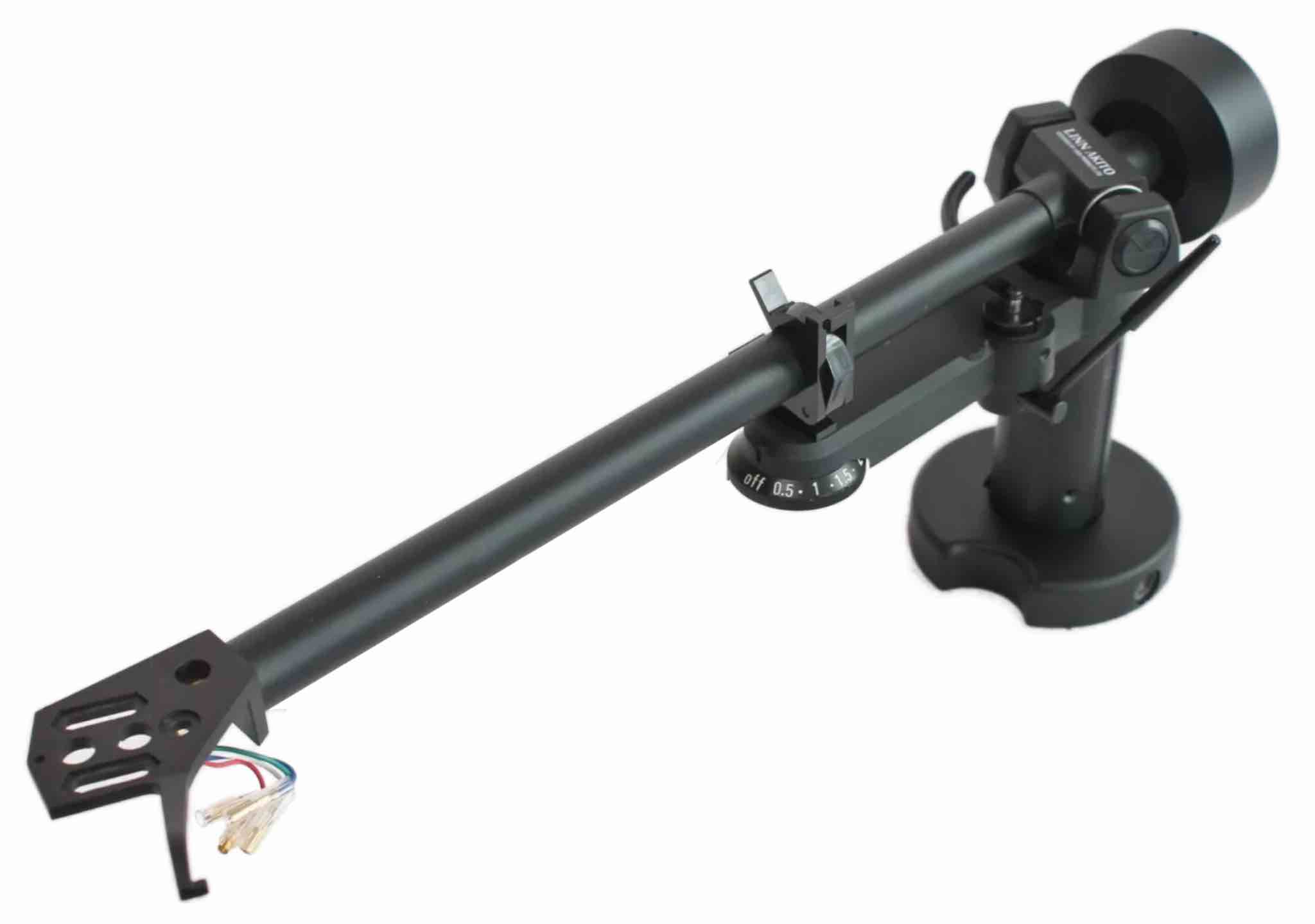
The Akito tonearm
Many Basiks left the factory with the Basik LV-X tonearm, a budget arm built down to a price. The Akito is a big step up. It was designed by Linn and was good enough to be offered on the LP12 itself, where it served for many years as the entry point to Linn’s own range of tonearms, below the Ittok and Ekos.
Compared to the LV-X, the Akito is more rigid and is built to much finer tolerances, with higher quality bearings. In practice this means the cartridge is held more firmly and tracks the groove more accurately. The result is better detail, firmer and more tuneful bass, and more stable stereo imaging. It also does far more justice to a quality moving-coil cartridge such as the Dynavector fitted to this unit. When looking at a pre-owned Basik, the tonearm makes a real difference, and a Basik with an Akito is the one to have.
Price
R9 500.00
Viewing
Interested parties can contact us on info@lp12.co.za or 084 531-8046 to arrange a visit once the unit has arrived. Unlike the LP12, the Basik does not need us to set it up in your home. Collect it, place it on a level surface, and you will be listening to music in less than five minutes.
Status
Arriving in the first week of December